
Most people know they should plan for retirement, but many put it off. Life gets busy. Careers demand attention. Families grow. Financial goals compete for priority. Before long, years pass without a clear retirement strategy.
At Phileo Advisory Group, we often hear people ask, “When should I start planning for retirement?” The answer is simple: the sooner, the better.
Retirement planning is not something you begin a few years before leaving the workforce. It is an ongoing process that evolves throughout your life. Whether you are in your twenties, forties, or approaching retirement, taking action today can help you build greater financial confidence for the future.
Many people believe retirement planning only matters when retirement is close. In reality, every year you delay can make it more difficult to reach your long-term goals.
Starting early gives your investments more time to grow. Even small contributions can potentially grow into significant savings over several decades. Time is one of the most powerful tools available to investors, and once it is lost, it cannot be recovered.
That does not mean you are behind if you are getting a later start. While starting early provides advantages, taking action now is always better than waiting for a “perfect” time that may never come.
Your twenties may feel too early to think about retirement. After all, retirement could be forty years away or more.
However, this stage of life often provides one of the biggest opportunities to build wealth over time.
During your twenties, consider focusing on:
You do not need to save enormous amounts of money right away. Consistency often matters more than the size of your initial contributions.
As careers advance and incomes increase, your thirties become an important decade for financial growth.
Many people in this age group balance mortgages, young children, and growing responsibilities. Retirement planning can sometimes move lower on the priority list.
This is often the time to:
Small increases in savings rates during your thirties can have a meaningful impact on future retirement income.
Your forties are often considered a critical decade for retirement planning. Retirement may still be years away, but it begins to feel more realistic.
This is an excellent time to evaluate whether your current strategy aligns with your retirement goals.
Important considerations include:
Many individuals discover opportunities to make adjustments during this stage that can significantly improve their long term outlook.
For many people, retirement planning becomes a top priority during their fifties.
This decade often includes peak earning years, making it an ideal time to strengthen retirement savings.
Key areas of focus may include:
The decisions made during this stage can directly influence retirement lifestyle, flexibility, and financial security.
If retirement is approaching, planning becomes even more important.
At this stage, the focus often shifts from accumulating assets to creating sustainable income.
Questions commonly include:
Developing a coordinated retirement income strategy can help create greater confidence during this transition.
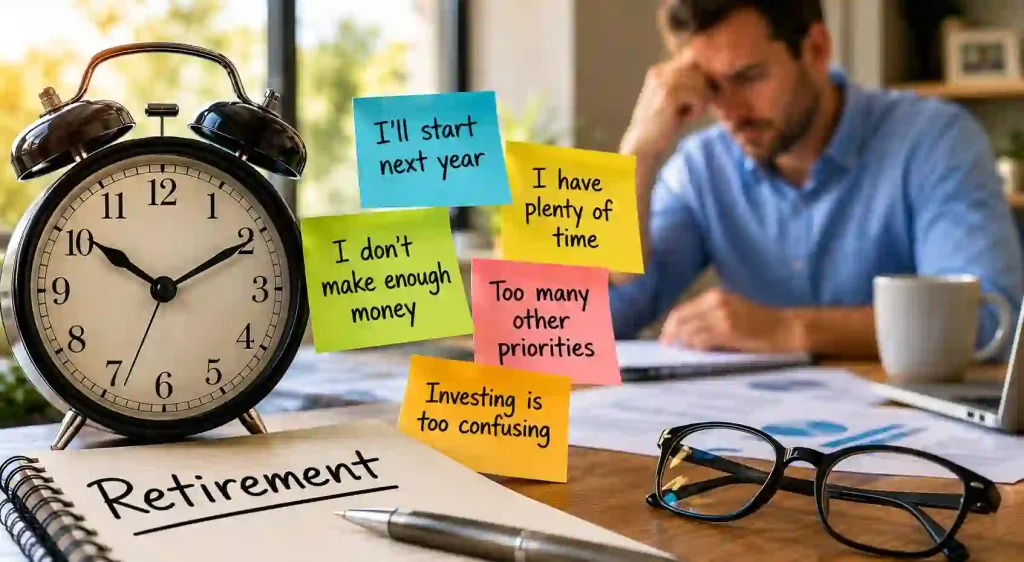
Even individuals who understand the importance of planning often postpone it.
Some common reasons include:
Many people believe they need a higher income before they can begin saving. In reality, developing the habit of saving consistently often matters more than the amount saved initially.
Retirement may seem distant, especially for younger workers. Unfortunately, years can pass quickly, and waiting can reduce future flexibility.
Financial planning does not need to be overwhelming. Working with a trusted advisor can help simplify decisions and create a clear path forward.
This may be the most common reason of all. Unfortunately, next year often turns into several years, making it harder to reach long term goals.

Many people think retirement planning simply means putting money into a retirement account.
While saving is important, a comprehensive retirement strategy often includes much more.
Areas that deserve attention include:
Each piece plays a role in supporting your overall financial picture.
Retirement planning is not a one time event.
Life changes. Markets change. Goals change.
We generally recommend reviewing your financial plan at least once per year and updating it when major life events occur, such as:
Regular reviews can help ensure your strategy remains aligned with your objectives.
So, when should you start planning for retirement?
The best answer is as early as possible. The second best answer is today.
Whether retirement is decades away or just around the corner, taking action now can help create more options and greater confidence in the future. Every stage of life presents unique opportunities to strengthen your financial position and move closer to your long term goals.
At Phileo Advisory Group, we help individuals and families create personalized retirement strategies designed around their unique goals, values, and vision for the future. If you are ready to take the next step toward retirement planning, our team is here to help you build a roadmap for the years ahead.
(these will go under the post in an accordion that opens the answer when clicked on)
The best age to start planning for retirement is as soon as you begin earning income. Starting early gives your savings and investments more time to grow and can reduce the amount you need to save each month later in life. Even if you are only able to contribute a small amount at first, developing consistent saving habits can make a significant difference over time. However, if you have not started yet, do not assume it is too late. Taking action today is often the most important step toward improving your financial future.
No, it is never too late to start retirement planning. While starting earlier provides more time for investments to potentially grow, many people make meaningful progress later in life by increasing savings, reducing debt, adjusting retirement goals, and creating a well defined financial strategy. A retirement plan can help identify opportunities and provide a clear path forward regardless of your age. The sooner you begin, the more options you may have available.
The amount you should save for retirement depends on several factors, including your desired lifestyle, expected retirement age, income needs, healthcare expenses, and other financial goals. There is no universal number that works for everyone. A retirement plan helps estimate future expenses and determine how much you may need to save to support your goals. Regular reviews can help ensure your strategy remains aligned with changing circumstances and market conditions.
The ideal contribution amount varies from person to person. Many financial professionals recommend saving a percentage of your income consistently throughout your working years. The right amount for you depends on your age, current savings, retirement timeline, and financial obligations. Even modest contributions can add up over time when combined with disciplined investing and long term growth. Increasing contributions as your income grows can also help strengthen your retirement outlook.
One of the most common retirement planning mistakes is waiting too long to get started. Many people assume they have plenty of time or believe they need a higher income before they can begin saving. Other common mistakes include underestimating future expenses, taking on excessive investment risk, failing to account for taxes, and not reviewing their retirement strategy regularly. A proactive approach can help avoid these challenges and improve long term financial confidence.
Most retirement plans should be reviewed at least once per year. In addition, you should consider updating your plan after major life events such as marriage, divorce, career changes, starting a business, receiving an inheritance, or approaching retirement. Regular reviews help ensure your investment strategy, savings goals, and retirement timeline continue to align with your overall financial objectives.
A comprehensive retirement plan often includes much more than investment accounts. It may address retirement savings goals, investment management, income planning, tax strategies, Social Security decisions, healthcare expenses, estate planning, and risk management. By evaluating all of these areas together, you can create a more complete strategy designed to support your long term financial goals.
Inflation can reduce purchasing power over time, which means the money you spend today may not go as far in retirement. Because retirement can last several decades, it is important to consider how rising costs may affect future income needs. A well designed retirement strategy accounts for inflation and helps position your savings to support your lifestyle throughout retirement.
The best time to claim Social Security benefits depends on your personal financial situation, health, retirement goals, and other income sources. Some individuals choose to begin benefits early, while others delay benefits to potentially receive higher monthly payments. Because the decision can impact retirement income for many years, it is important to evaluate your options carefully and understand how claiming strategies fit into your overall retirement plan.
Retirement planning involves many moving parts, including investments, taxes, income strategies, risk management, and long term financial goals. A financial advisor can help create a personalized strategy, identify potential gaps, and provide guidance as circumstances change. Working with an advisor may help simplify complex decisions and provide greater confidence as you prepare for retirement.
The amount of monthly income needed in retirement depends on your lifestyle, housing costs, healthcare expenses, travel plans, and other personal goals. Some expenses may decrease after retirement, while others may increase. Creating a detailed retirement income plan can help estimate future needs and determine whether your current savings strategy supports your desired lifestyle.
Outliving retirement savings is a concern for many retirees. This risk highlights the importance of developing a retirement income strategy that considers life expectancy, market fluctuations, inflation, healthcare costs, and withdrawal rates. Planning ahead can help create a more sustainable approach to generating income throughout retirement and reduce the likelihood of depleting assets too early.